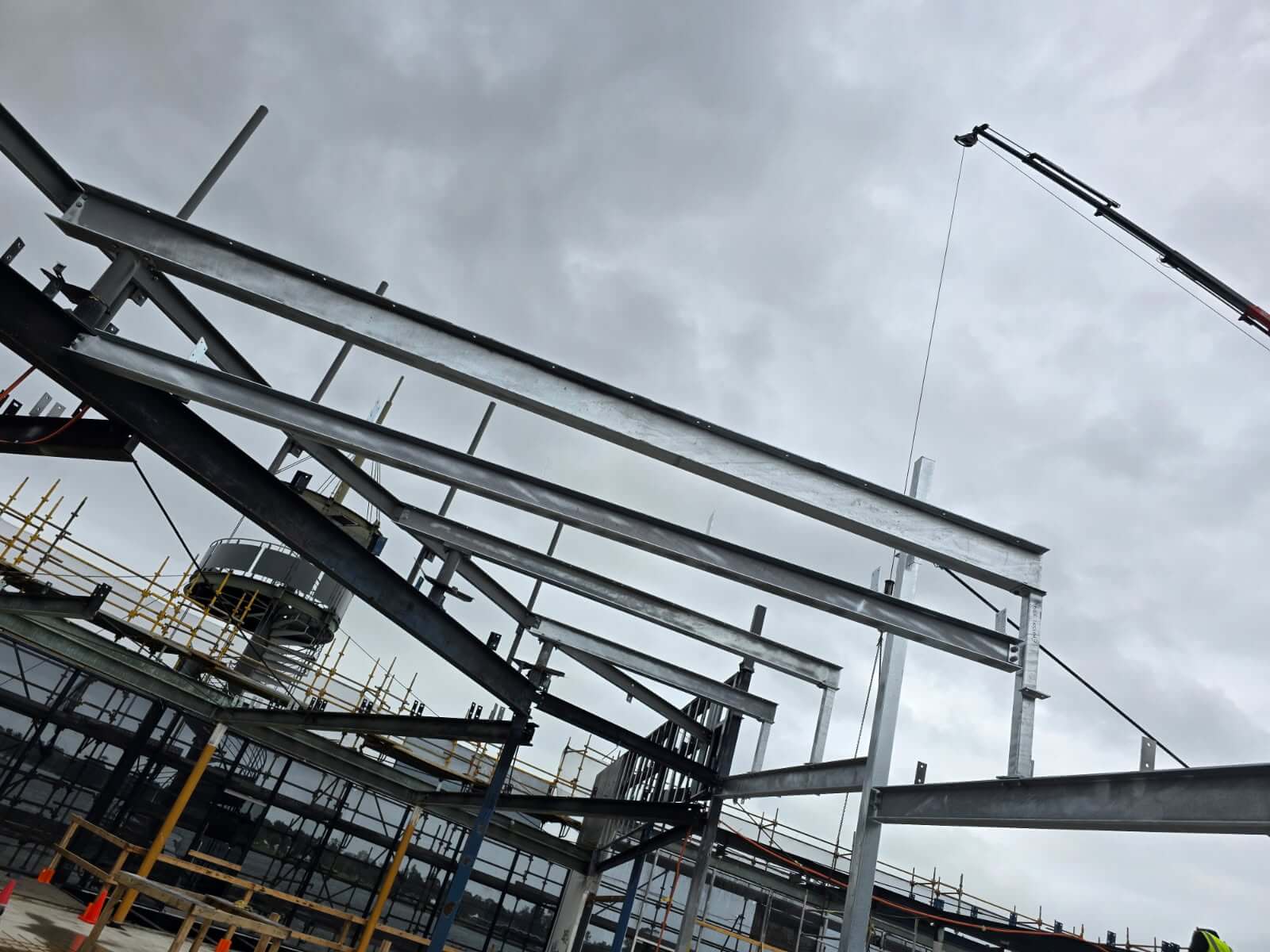
A commercial build in Melbourne sat idle for three weeks waiting on steel. When it finally arrived, the measurements were off. Extra welding, rework, and rushed coordination followed. Costs went up. Nobody planned for it.
Stories like this play out on construction sites more often than they should, and most trace back to the same root cause. Disconnected workflows between fabrication and installation.
This blog breaks down why integrated structural steel services matter, how they cut project risks, and what builders should look for when picking a steel partner.
What Integrated Structural Steel Services Actually Mean
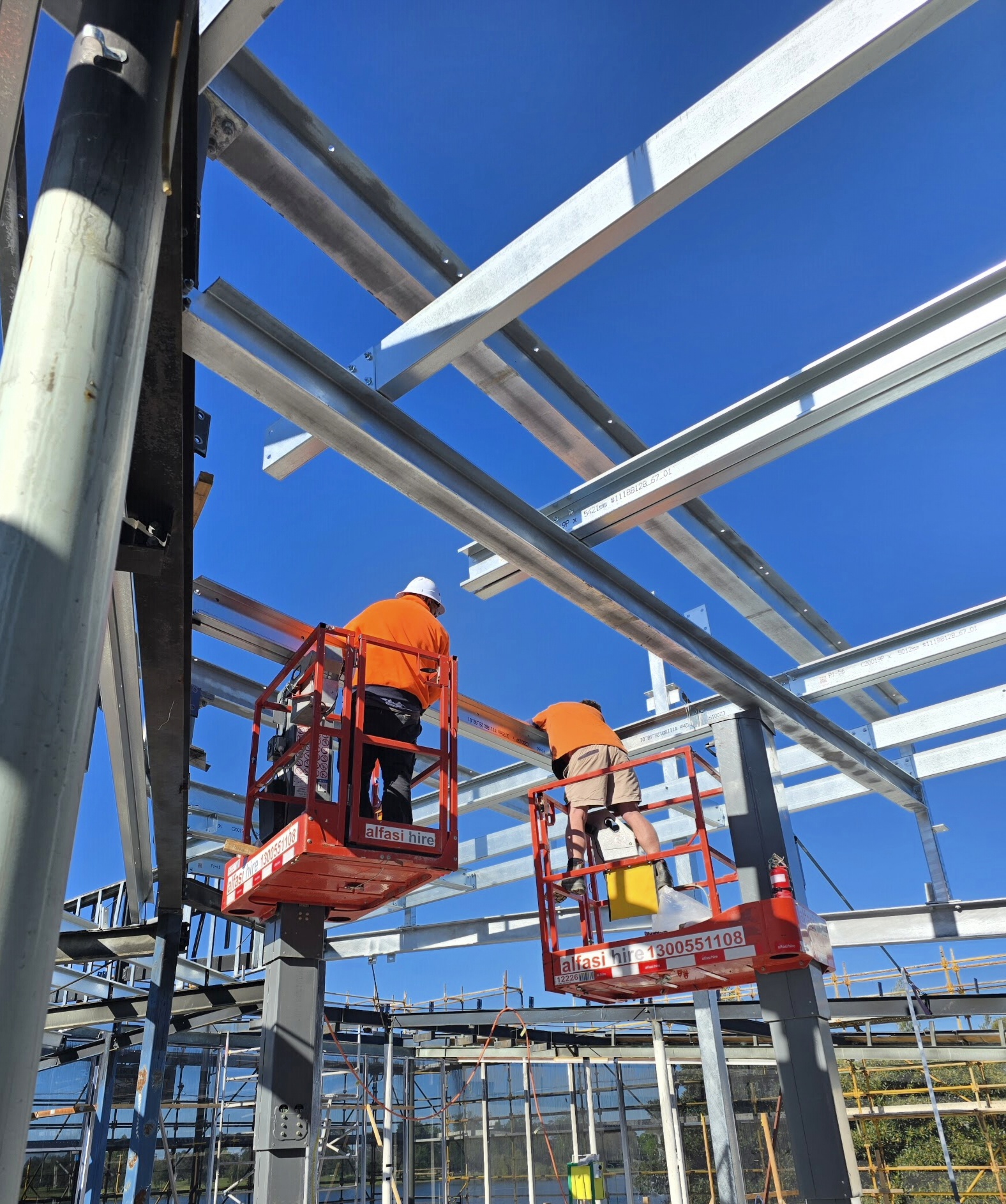
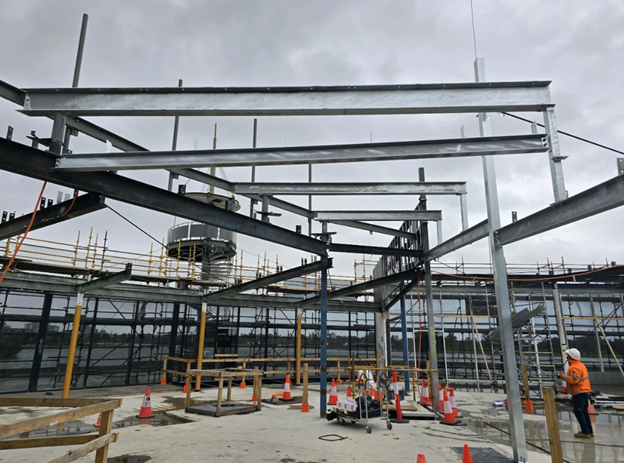
Integrated services put steel fabrication, detailing, and on-site installation under one coordinated team. Rather than different companies taking different phases, the entire job is taken through a system.
A typical integrated workflow looks like this:
• Design review and shop drawings
• Fabrication in a controlled workshop
• Quality checks before anything leaves the yard
• Coordinated transport to the site
• Installation by teams who know the project
When one team owns the full cycle, communication gaps shrink. Problems get caught before they turn into site headaches.
Why Project Risks Increase with Separate Contractors
Construction projects carry enough uncertainty without adding more. The division of the fabrication and installation among various vendors puts an extra strain.
Common risks include:
• Measurements do not match between drawings and actual site conditions
• Delays because the responsibility is unclear when something goes wrong
• Safety hazards from rushed on-site modifications
• Budget blowouts caused by rework nobody accounted for
Construction management studies keep showing the same pattern. Coordination issues are one of the top causes of project delays. Small misalignments in steel structures create big downstream problems, especially when cranes, concrete pours, and other trades are hanging in the balance in terms of timing.
Real-World Example: Coordination Saves Time
A mid-size warehouse project in Victoria used an integrated steel provider for framing and installation. The installer team reviewed shop drawings before fabrication started. One connection detail looked tight for site access. They adjusted it early, in the workshop, not on-site.
What happened:
• No rework during installation
• Faster erection timeline
• Less crane hire time
Early collaboration stopped a costly delay before it started. That is the practical value of integration. Problems are cheaper to fix before steel reaches the site.
How Integrated Services Improve Quality and Safety
Quality control lifts when the same team owns the outcome. Fabricators understand how pieces will be installed. Installers know how components were built.
Key advantages:
• Better fit accuracy because fabrication lines up with installation methods
• Fewer on-site modifications, which means less welding risk
• Clear accountability from start to finish
• Consistent compliance with Australian standards
Safety gets better, too. The reduced on-site cutting and adjusting also results in the minimization of hazards to the workers and the tightening of the timelines.
Practical Advice for Builders and Project Managers
Choosing an integrated structural steel partner is not just about the price. Long-term risk reduction matters more.
Questions worth asking:
• Does the company handle both fabrication and installation
• Do installation teams get to review shop drawings
• How do they check quality before delivery
• Who manages coordination between the workshop and the site
When answers are clear, it drives towards good internal systems. Ambiguous answers usually translate to disjointed processes.
Why This Approach Aligns with Current Industry Trends
Construction projects keep pushing for faster delivery and fewer surprises. Integrated services match that direction because they support:
• Leaner project management
• More predictable timelines
• Lower variation costs
• Better coordination between trades
More builders are now willing to have partners who are able to own multiple stages as opposed to being isolated suppliers.
One Team, One Workflow, Fewer Steel Problems
Integrated structural steel fabrication and installation reduces risk by tightening up coordination, quality control, and accountability. Projects run smoother when design, fabrication, and site work follow one connected process instead of several disconnected ones.
Fewer delays. Fewer surprises. Better outcomes all round. For builders looking to cut project uncertainty, working with an experienced integrated provider like Austeel Australia makes solid practical sense.