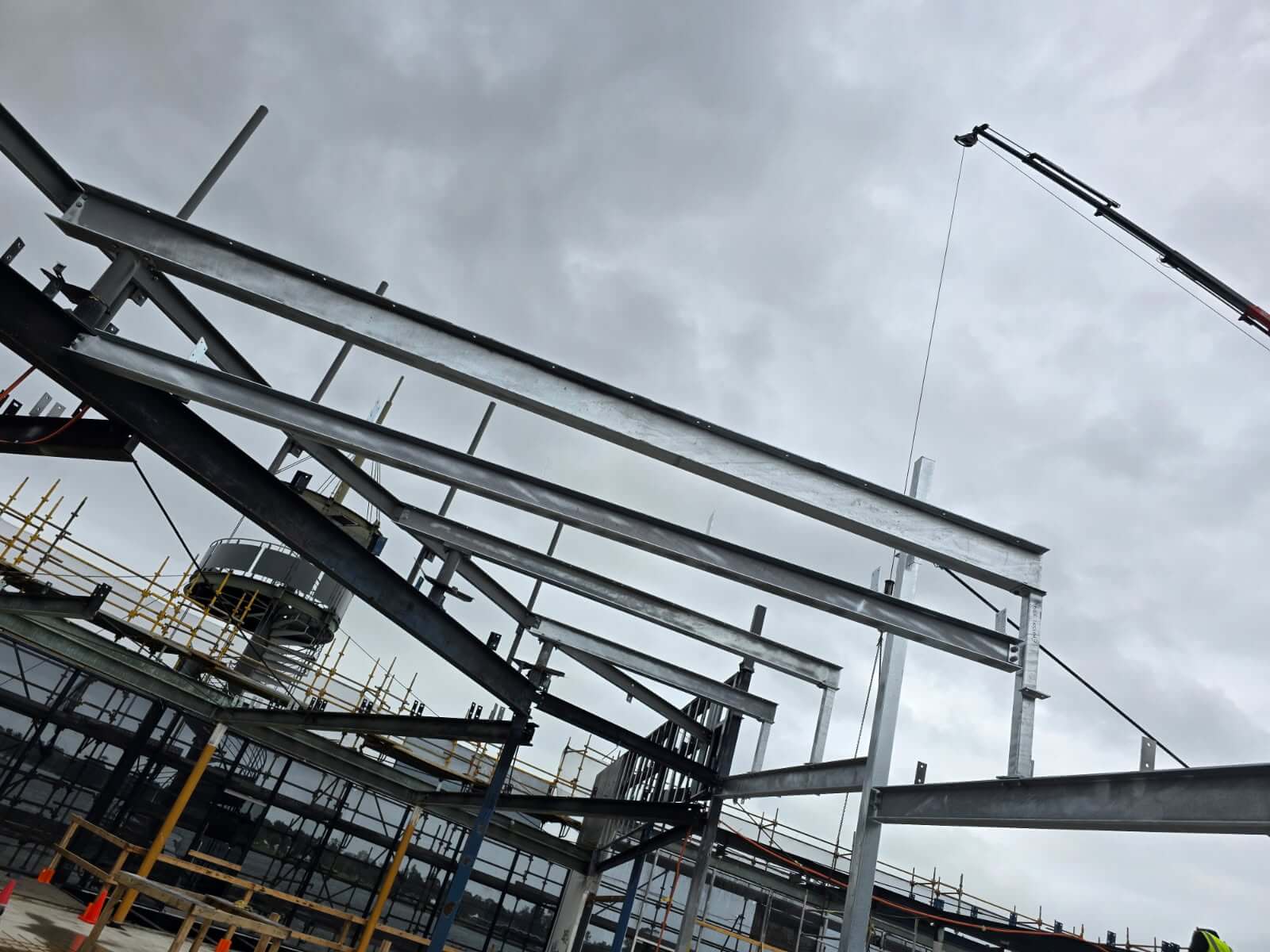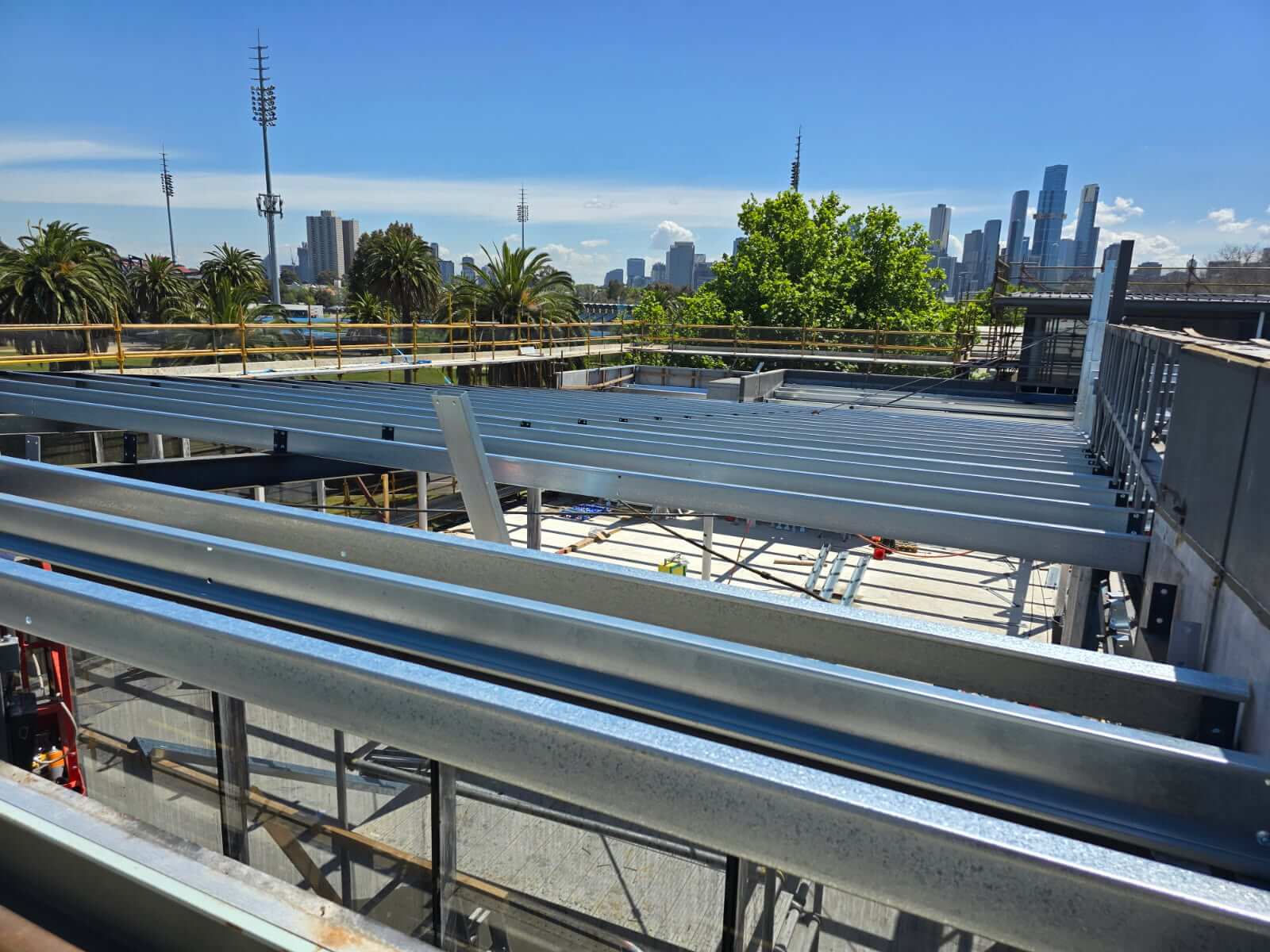
Melbourne’s construction industry does not forgive mistakes. Steel arrives late, measurements are off, welds fail inspection, and projects stall. Builders remember that. Developers remember that, too. Trust in this space is not built with slogans. It is built on years of showing up, getting details right, and solving problems when plans change mid-build.
This blog breaks down how a local steel fabricator earned long-term trust across Melbourne’s residential, commercial, and industrial construction sectors. The focus is practical. What was done right, what mattered on real job sites, and why builders keep coming back.
Melbourne’s Structural Steel Landscape Is Unforgiving
At the centre of modern construction is structural steel. It is applied in the building of stairways, beams, columns, portals and frames. When steel fails, everything above it is at risk.
In Melbourne, expectations are high because:
• Projects are tightly scheduled
• Compliance standards are strict
• Coordination between trades is constant
• Margins leave little room for rework
Builders and engineers do not gamble on unknown suppliers. They stick with fabricators who understand drawings, tolerances, site realities, and council requirements.
Experience That Actually Counts on Site
Years in business matter only if they translate into better decisions on real projects. Experience shows up in small but critical ways.
Examples seen repeatedly across Melbourne build:
• Knowing when drawings need clarification before fabrication starts
• Flagging connection issues early instead of forcing them on-site
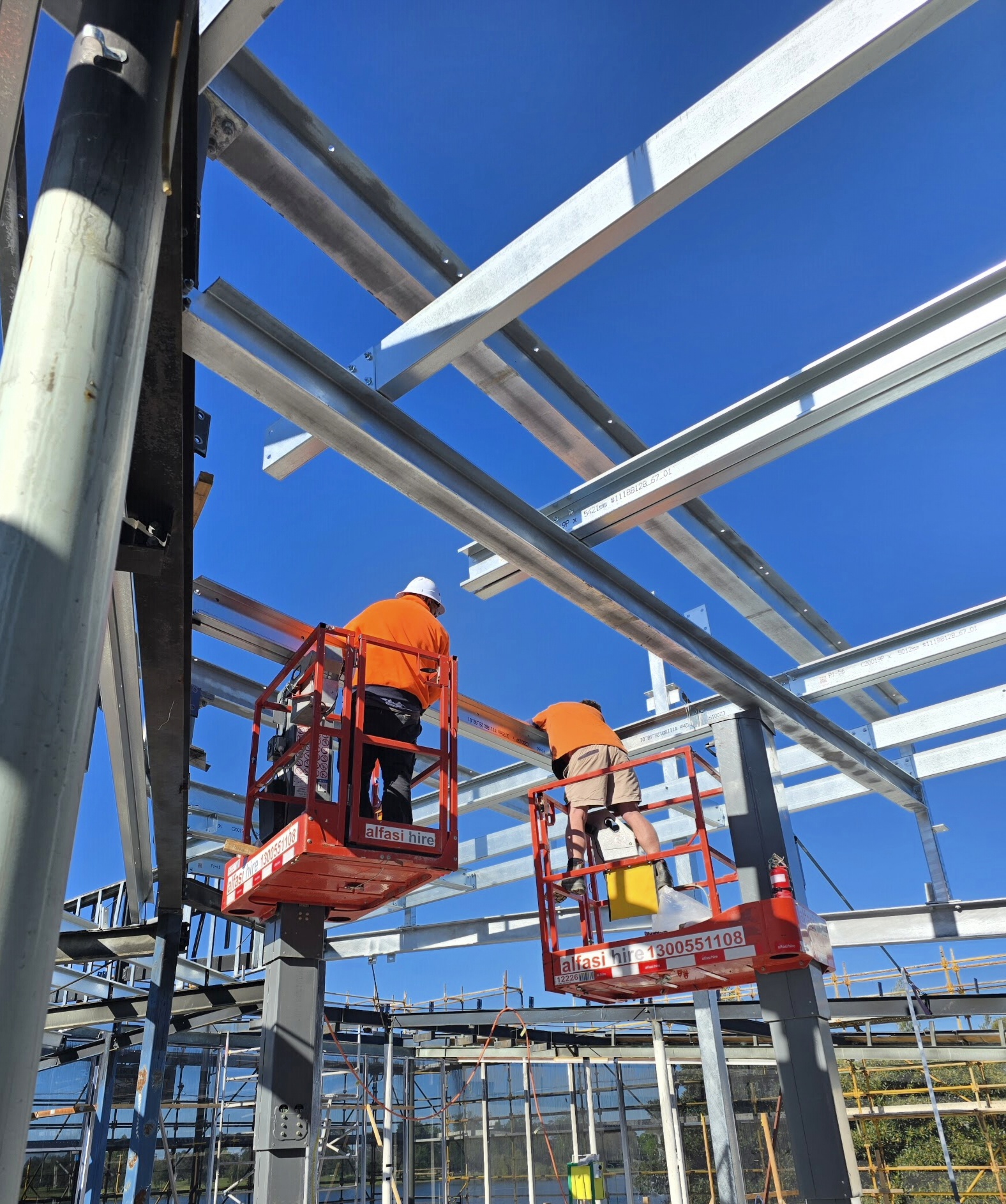
• Adjusting fabrication sequencing to suit crane access or slab pours
• Understanding how installers will handle steel once it leaves the workshop
Fabricators who lack site awareness often pass problems downstream. Trusted partners absorb complexity instead of creating it.
Clear Processes from Design to Installation
One reason builders stay loyal to the same steel partner is predictability. Not perfection. Predictability.
Reliable fabrication partners usually share a few traits:
Strong Upfront Detailing
Steel detailing is treated as a technical discipline, not admin work. Shop drawings are accurate, coordinated, and reviewed properly.
Fabrication That Matches the Drawings
Workshop output aligns with approved details. Hole locations, weld sizes, and member lengths. No surprises when steel hits the site.
Practical Installation Support
On-site welding, modifications, and adjustments are handled without drama. Issues are solved fast, not argued over.
This is an end-to-end type of thinking and it eliminates delays and also prevents finger-pointing. That is better than slick marketing valued by builders
Adapting to Different Types of Projects
Melbourne construction is diverse. A steel stair in a townhouse renovation is not the same as a commercial fit-out or an industrial framework.
Trusted steel partners adapt across:
• Residential extensions and architectural staircases
• Retail and shop fit-outs with tight timelines
• Commercial buildings requiring structural coordination
• Industrial projects demanding durability and compliance
Each category brings different pressures. Noise limits. Access constraints. Visual finish requirements. A fabricator that treats every job the same rarely lasts long.
Experience That Refined the Process
Long-term trust usually comes from lessons learned the hard way. Builders notice when a steel company applies those lessons instead of repeating mistakes.
Common improvements seen over time:
• Better communication between detailers and fabricators
• Faster turnaround on revised drawings
• Cleaner weld finishes on exposed steel
• Smarter sequencing to avoid double handling
None of these sounds dramatic. All of them save time and money.

Why Builders Prefer Quiet Competence
Claims that are exaggerated are prone to being disbelieved by construction professionals. When such terms as premium, cutting-edge or best in class are used, eyebrows are raised.
What works instead:
• Clear service descriptions
• Straightforward language
• Evidence through completed projects
• Availability when problems arise
A quiet, technical tone signals confidence. It suggests the work speaks for itself. That resonates strongly with engineers, builders and project managers.
Trust Is Earned One Job at a Time
A company does not become trusted at one particular time. It happens gradually.
A small residential job leads to a larger one. A commercial fit-out turns into repeat work. A builder introduces the fabricator to another site supervisor. Over time, relationships form.
Trust grows when:
• Steel arrives when promised
• Installers work safely and efficiently
• Variations are handled fairly
• Communication stays honest
Those patterns compound.
Trust Built on Work, Not Words
Melbourne’s construction sector rewards reliability more than noise. Structural steel partners earn loyalty by understanding drawings, respecting site realities, and delivering consistent results under pressure. That is how long-term relationships form and why certain names keep coming up on job sites across the city.
Austeel did not build trust through branding or hype. It was built through steady work, technical discipline, and years of showing up when it mattered.