Building a project with steel? That first choice you make sets the tone. It’s a quiet decision with loud consequences. It dictates your final cost. It shapes your timeline. It determines the absolute strength of the finished structure.
Picture a straightforward beam for a storage shed. Now picture the swirling, sculptural spine of a boutique hotel staircase. Two different worlds. They demand totally different things from your fabricator.
The split often comes down to two acronyms: CC2. Or not. Getting this wrong is expensive. Getting it right means your project glides through inspection.
Let’s break it down.
What Does “CC2” Actually Mean?
That stamp isn’t just a logo. It’s a promise of a system. CC2 stands for Category 2 certification under the Australian Standard AS 5131. It’s not a type of steel. It’s a verified process. A fabricator with CC2 proves to an independent auditor that their entire operation is top-tier. We’re talking qualified welders. Documented procedures.
Rigorous quality checks from raw material to finished weld. It’s for parts of a building where you cannot afford a question mark. The opposite is general structural steel work. This is a fabrication that still follows the codes, but doesn’t need that third-party stamp. The focus is more on the design and the application itself.
Where You Use General Steel Work
Think of this as the versatile, all-rounder steel. It’s for projects where certified traceability isn’t a legal must.
- Shop Fit-Outs & Interior Builds: Mezzanine floors, display frames, decorative features.
- Custom Residential Projects: That stunning staircase, balcony railings, or a garden pergola.
- Light Industrial: Warehouse frames, machinery guards, non-critical storage.
The skill here is in craftsmanship and translating a design into metal.
Where CC2 is Non-Negotiable
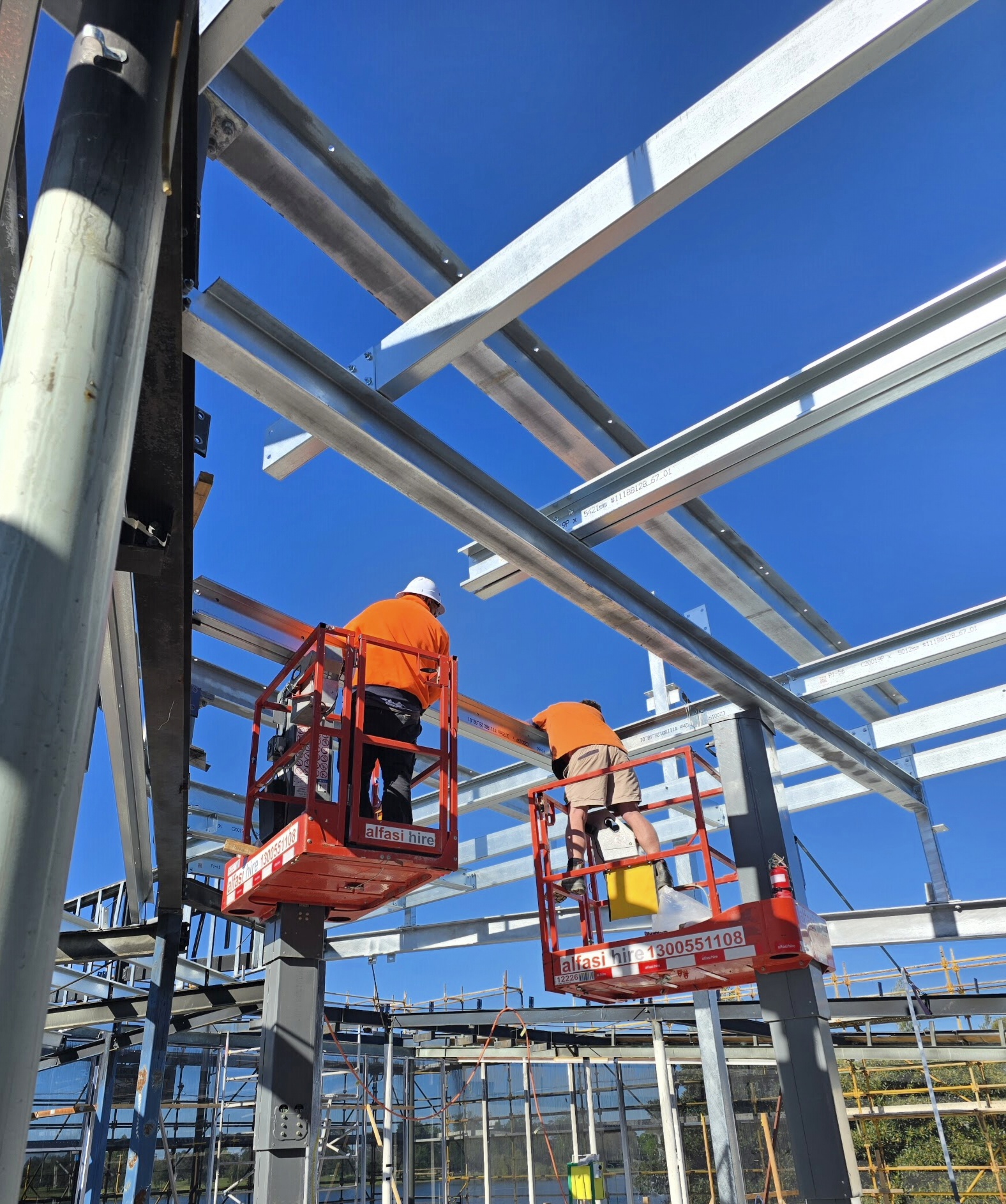
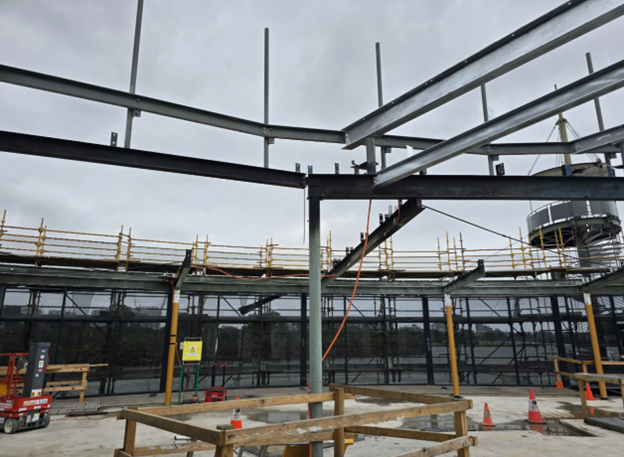
This is the domain of critical infrastructure. The bones of a building that hold lives. CC2 is mandated by law for these applications.
- Multi-Storey Buildings: Every main column, primary beam, and load-bearing connection.
- Public Spaces: Schools, hospitals, stadiums, anywhere public safety is paramount.
- Heavy Industry: Walkways over machinery, plant platforms, mining structures.
- Essential Services: Fire stations, power substations.
Here, the skill is in documented, audited precision. Failure is not an option.
Where Design Ends and Compliance Begins
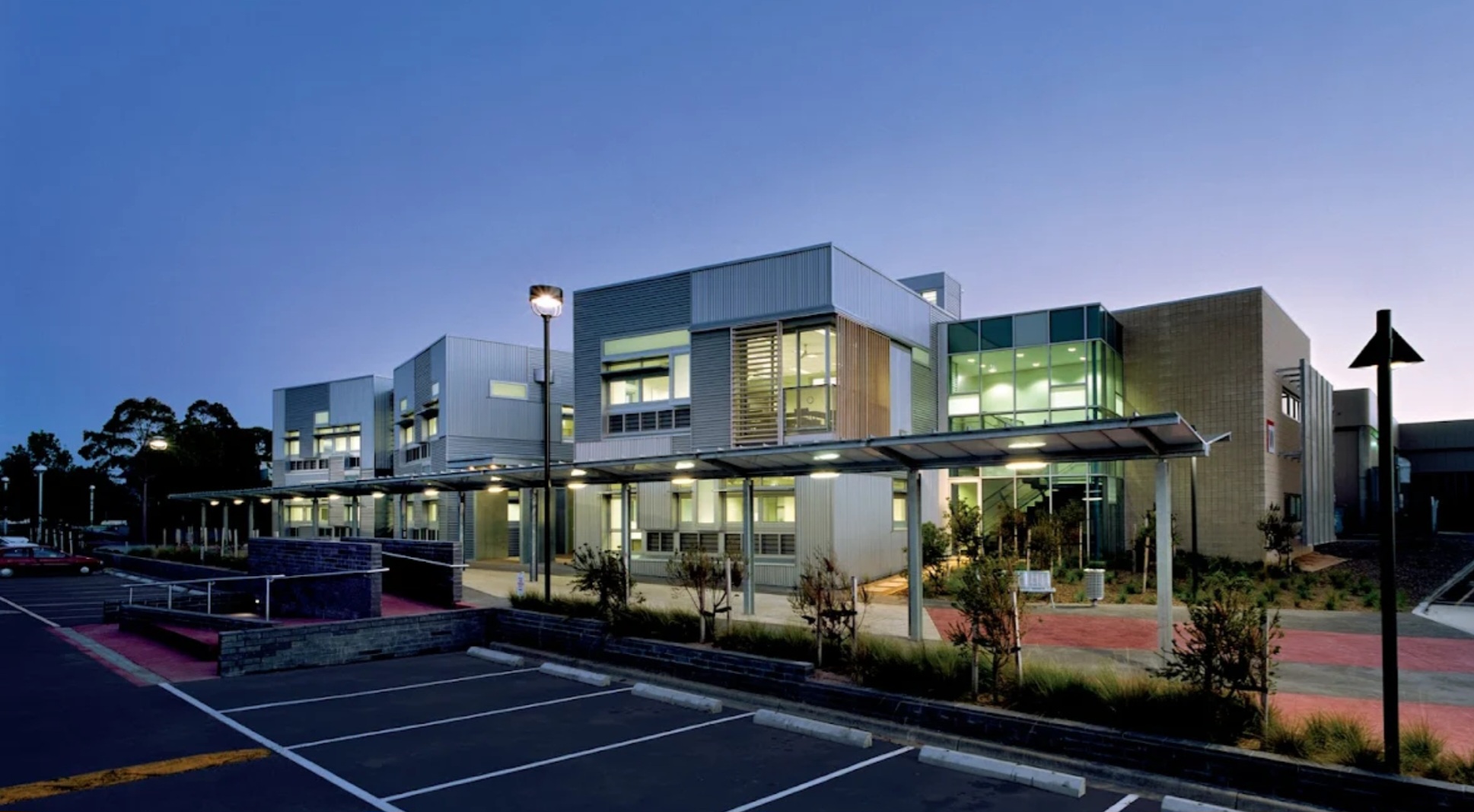
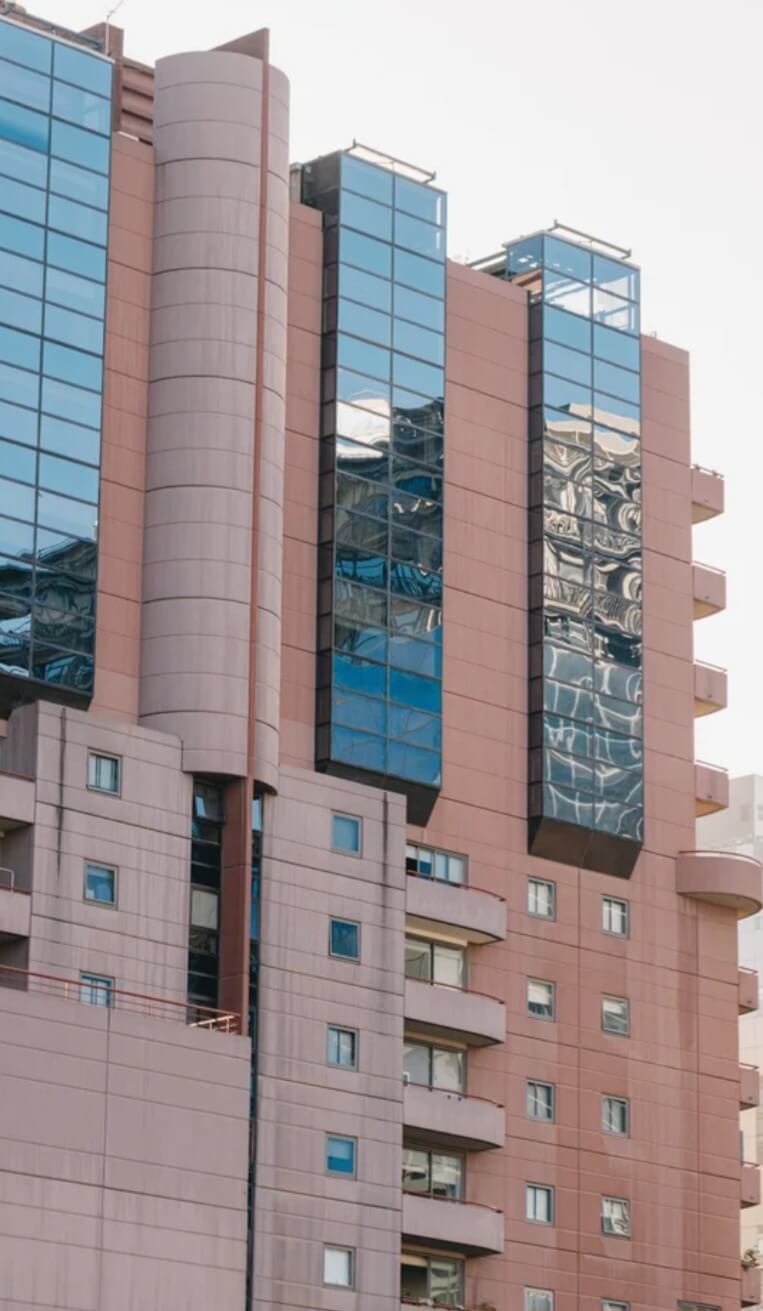
Look at a new apartment block. The elegant, winding staircase in the lobby? That’s complex general fabrication. It needs an artist’s touch. The hidden columns holding up all 15 floors above it? That is pure CC2 territory. One is visible art. The other is invisible, certified science.
How This Choice Hits Your Budget & Timeline
This is where the rubber meets the road. General fabrication is often more direct. Less paperwork. No external audit costs. It can be faster to start and easier on the budget for the right project. CC2 fabrication has a built-in premium.
You are paying for the certification system itself. The qualified personnel. The procedure testing. The independent reviews. This adds time for documentation before fabrication even starts. But for a CC2 project, it’s not an extra cost. It’s the essential cost of compliance.
The Massive Risk of Getting It Wrong
Mixing these up is a catastrophic error. Using general steel for a CC2 application will fail inspection. The result? Tear it out and start again. Huge delays. Major financial loss. Legal headaches. On the flip side, demanding CC2 for a garden gazebo is overkill.
You’re spending money on assurance you don’t legally need. The project’s structural engineer specifies the required level in the drawings. That specification is your bible. Ignoring it is the biggest risk of all.
Making the Correct Choice
You don’t have to guess. The building’s use and scale dictate the need. Your job is to ask the right questions early and partner with the right fabricator.
Start with these three questions:
- What is the structural engineer’s specification for this component?
- Is this element primarily load-bearing in a commercial or public building?
- What does the local building code require for this structure type?
Choosing a fabricator who only does general work for a CC2 job is a dead end. You need a partner who truly understands both sides. A partner like Austeel Australia . We operate in both worlds every day. We can look at your plans and tell you exactly which parts need the certified rigor and where general fabrication is perfect.
This clarity is everything. It prevents costly mistakes. It ensures your project is safe, compliant, and built on a foundation of absolute confidence.